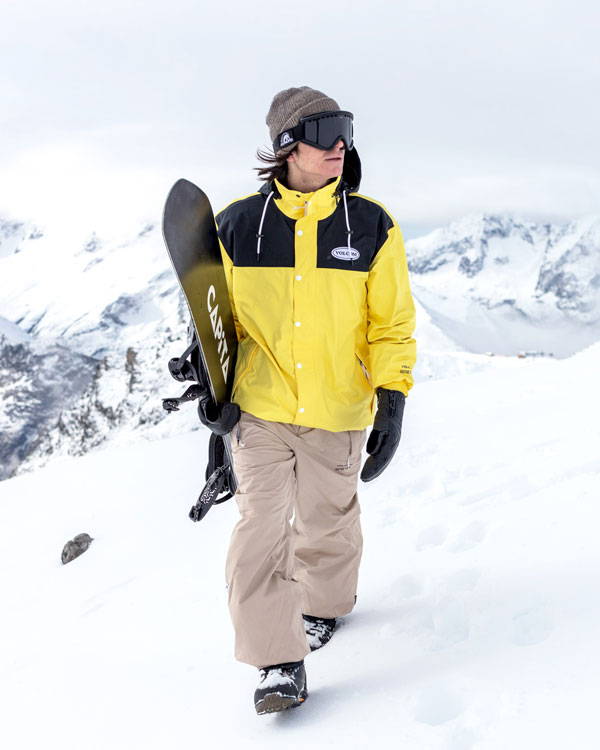
Ski touring has become a very popular way of enjoying the mountains. This sport is a perfect mix of effort, pleasure and feel, and allows you to spend your time in peace away from the hustle and bustle of commercial ski areas.
Cross Country Skis For Sale
Cross-country skis are skis made to be used on groomed tracks or hard-packed snow. A metal tip is placed on the edge to grip icy snow. They can also be used off-piste to ski in areas where groomed tracks do not exist.
Backcountry Skis vs. Touring Skis
There are many different types of skis that can be used for ski touring, and they vary in their construction, weight, and ability to perform uphill or downhill. You need to consider your ski style and intended use when choosing the right ski.

Uphill vs Downhill Performance
It is important to consider the length and breadth of your touring ski when considering uphill performance. Skis that are shorter and narrower will offer greater maneuverability and lighter skis, while skis that are wider and more stable in the powder will provide superior stability and float.
You also need to pay attention to the profile and shape of your skis. Usually, skis that are designed for touring use have a hybrid profile, which blends traditional camber with an early-rise tip and rockered tail. These skis provide excellent uphill performance, and are generally lighter than traditional alpine ones.
Skis in the Backcountry
You can set up any downhill ski for the backcountry. However, alpine tour skis are lighter than those meant for downhill skiing. This makes them considerably easier to hike uphill, allowing you to ski deeper and more challenging terrain.
Complete Ski Touring Setups
The complete ski touring kit includes a pair each of touring skis, trekking bindings and climbing skins. While most of these items can also be bought separately, it is more convenient to get them all together.
How to Choose the Right Touring Ski
You can start to decide which skis you want by looking at the lengths and widths of each brand. Your height and weight will directly affect the length, while your preference for conditions will be determined by the width. For beginners, choose skis that are shorter and wider. If you're more experienced, opt for shorter and wider skis.
Nordic Touring Skis: What you need to know
There are three main types: cross-country skis, telemark skis and alpine tourers. There is a difference between them all. Nordic skis can only travel on hard-packed or groomed snow tracks, while telemark and alpine skiing allow vertical travel. No matter which Nordic ski type you choose, it is important to complete an avalanche safety course prior to venturing into potential avalanche terrain.
FAQ
How can I prepare myself for vacation?
It is essential to exercise and eat healthy while on vacation.
It is also important to get enough sleep and keep hydrated before you go.
It is important to ensure that you have all required travel documents and medication.
Also, be sure to bring enough medication for your trip in case you need it.
In case of injury or sickness, always have an extra set of clothes.
Where can I find cheap accommodation when traveling abroad?
You can find cheap accommodation in hostels, hotels and guest houses as well as bed & breakfasts.
Hostels can be affordable and have dorm-style rooms that guests share with their bathrooms and living areas.
Hotels are usually located in touristy areas and provide private rooms with en suite bathroom facilities.
Although they look similar to hostels in that they have smaller rooms and more people sharing each one, guesthouses can be quite different.
Budget-conscious travelers are increasingly turning to bed & breakfasts. Guests can stay in their own private homes and have a full breakfast included in their stay.
What can I take with me in my suitcase?
You should always have at least two pairs of shoes. You need one pair for walking in the city; another pair to go on vacation.
Also, make sure to have enough clothing for both. If you are traveling by plane, you need to make sure you have an extra shirt, pants, underwear, and socks.
You may want to consider bringing some extra clothing with you if your plans are to stay for a longer period of time. This will ensure that you don't feel awkward while shopping for new outfits.
Comfortable shoes are a must if you're going to be taking the train or bus. Also, if driving, bring extra tires.
You should also pack lots of toiletries including shampoo, toothpaste as well as moisturizer and deodorant.
Finally, don't forget a flashlight, insect repellents, sunscreen, sunglasses, a hat and a first-aid kit.
Don't forget to put all these items in one bag rather than trying to fit them into several different bags. This will save you time and space.
Finally, remember to bring a small towel or washcloth. They'll come in handy when you shower after a long day of sightseeing.
Where should I store my luggage?
There are many options. You can use lockers at airports as the most common option. These lockers are located in the vicinity of the security area. They can be purchased for between $5-10 per daily, depending upon the size of the locker.
A storage unit can be rented. These are often found outside large hotels or shopping centers. While prices can vary, there are some places that offer discounts for multiple units being rented together.
A third option is to hire a porter. You can hire a porter to help you carry your bags from the carousel to the room. For each porter you hire, you pay a small amount.
What should you do the first time you arrive at your travel destination after you have arrived?
You should always have an itinerary for when you arrive at a place. It helps you know what to expect and where to go next.
Plan ahead to make sure you don't overlook anything.
For instance, if your trip to a city lasts more than one hour, research which landmarks, museums, and parks you'd like.
A map of the area may be useful and you might want to read up on the history.
Statistics
- They're also likely to offer babysitting services, in case you'd like to have dinner one night after 7 p.m. (travelandleisure.com)
- Alcoholic beverages with more than 24% but not more than 70% alcohol are limited in checked bags to 5 liters (1.3 gallons) per passenger and must be in unopened retail packaging. (tsa.gov)
- According to Maori legends, this park holds 14 fjords that were all carved by a giant stonemason with an adze. (busytourist.com)
- Alcoholic beverages with 24% alcohol or less are not subject to limitations in checked bags. (tsa.gov)
- Pack sweaters, jackets, and underwear in reusable compression bags creating up to 75% more space in your luggage. (wikihow.com)
External Links
How To
How to plan for your next vacation
Planning a trip requires many things, such as booking flights and hotels, car rentals, activities, and so on. It involves important considerations like your budget, destination choice, weather forecast, etc.
These are the things you should keep in mind as you plan your next vacation.
We have prepared a step-by, step guide to help with your next vacation planning. This guide is based on customer feedback and our experience. We hope you find this guide helpful and easy to follow when planning your next vacation.
Steps:
-
Plan your Budget - Planning your budget is one of the most important steps in preparing for a trip. Before you begin planning for your trip, you need to know how much money it is you are willing and able to spend. If you don't have the money, your plans may be cancelled.
-
Book Your Flights. After you have decided on your budget, book your tickets. You should ensure that you get the best deal possible at the lowest price. Also, check if airlines offer any special deals during certain seasons. These deals may save you money.
-
Pick Your Destination. Once you've booked your tickets, the next step is to decide where to travel. Multiple factors will play a role in choosing the destination you choose, such as location (wherever you are), climate (what season), culture (how friendly and affordable it is), cost (how affordable it can be) and cost.
-
Locate Accommodations – After you've chosen your destination, you need to locate accommodations. Various accommodation options are available, ranging from cheap hostels to luxury suites. The type of accommodation you choose will depend on your preferences and needs. If you're looking for an area close to downtown, a hotel may not be the right choice. A homestay might be a better option if you are looking for quieter places far from the crowds.
-
Select Activities and Attractions. Now, after you've selected your accommodation it is time to pick the activities or attractions that you would like to add to your itinerary. Depending on the length of your stay, you can either choose only a few activities or add several new ones throughout your trip.
-
Determine Schedule - Now that you've selected the activities and attractions you'd like to include, it's time to determine your itinerary. Sticking to a plan will help you maximize the value of your trip. You can still enjoy your trip if you are able to travel at your own pace.
-
Make an itinerary - This is where you include all details about your trip. You should list all the details, from flights to accommodation to activities to restaurants.
-
Research Online – Make sure you research everything before you leave on your trip. To find out what other travellers think about different destinations, read reviews and testimonials. You will be able plan accordingly.
-
Pack Lightly - One of the biggest mistakes people make when packing is bringing too many clothes. Do not bring more than three sets of clothes. Bring clothing appropriate for the weather you're visiting.
-
Make sure you are prepared - Before you leave for your trip, make sure that everything is in order. Don't waste time searching for important documents in transit.