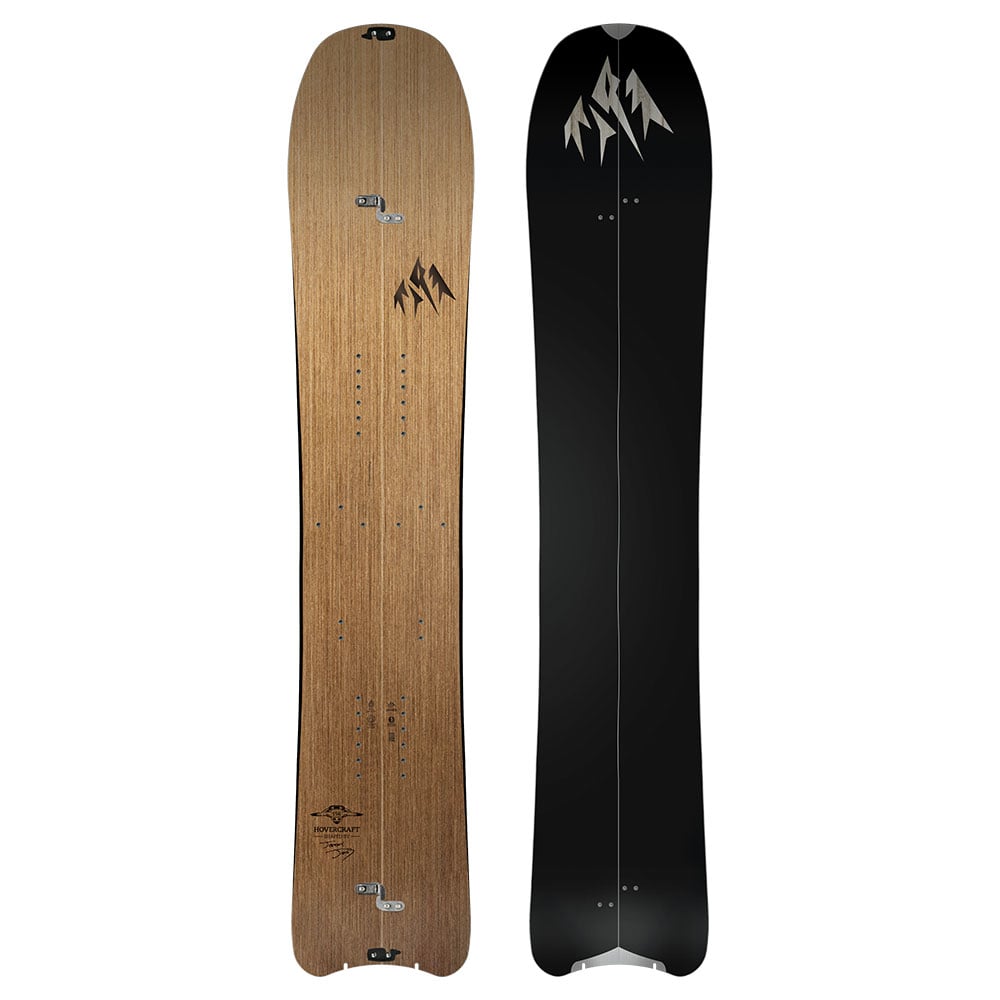
A pair of snow pants is essential for anyone who enjoys skiing, snowboarding, and playing outdoors in snowy conditions. They are warm and don't restrict movement.
Children's Snow Pants
Mammut or Flylow are great choices if you want ski/snowboard pants with a good fit. These pants are made for a more athletic build, so they'll have more room for your child to move around in.
Marmot Edge kids ski pants are another option. They provide a snug fit for your children, but are not too tight. These pants can be easily adjusted to fit your child.
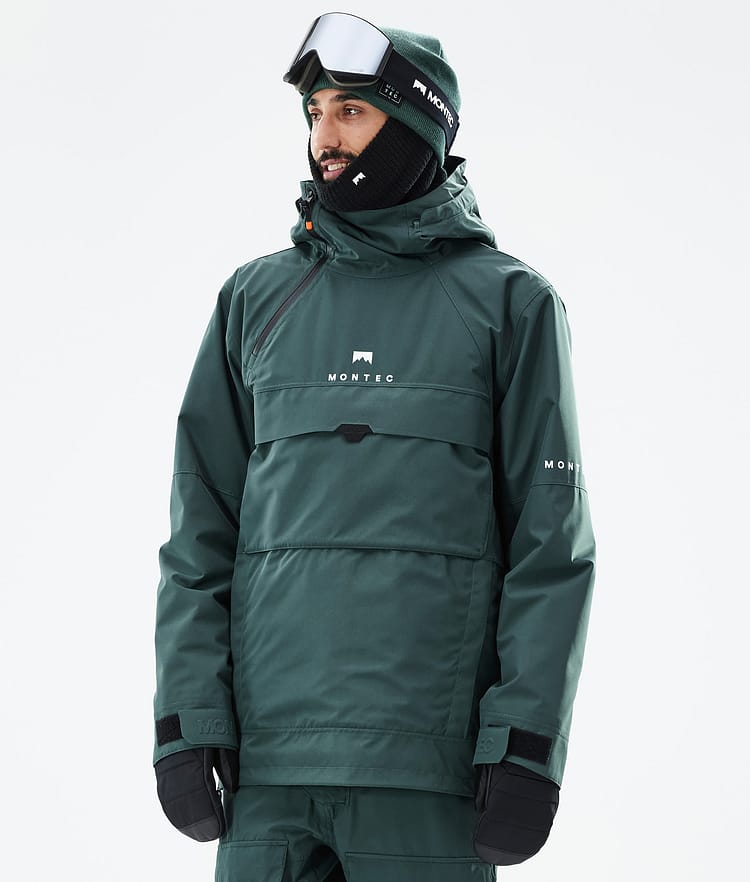
Helly Hansen Vertical snow pants
These snow pants provide a little more coverage then traditional ski/snowboard trousers, which is great news for older kids or kids who tend to slip more. The bibs are great for kids who tend to be more aggressive when skiing or snowboarding, as they keep snow from getting down their legs.
DC Snow Pants
These pants make a great option for kids. The DC snow pants have waterproof fabric that will keep kids dry, no matter the weather. They are breathable with a DWR coating that keeps them from getting too wet even on very gnarly days.
They also have "Drop Seat", a fantastic feature that allows for them to remove their pants to pee while on a break.
Picture Snow Pants
These kids snow pants will suit both younger and older children. They can be adjusted in both up and down so that your child can grow with you. They have a nice amount of insulation which will keep your kids warm on those cold snowy days and the zippered hand pockets are a great place to store small items such as their phone and keys.
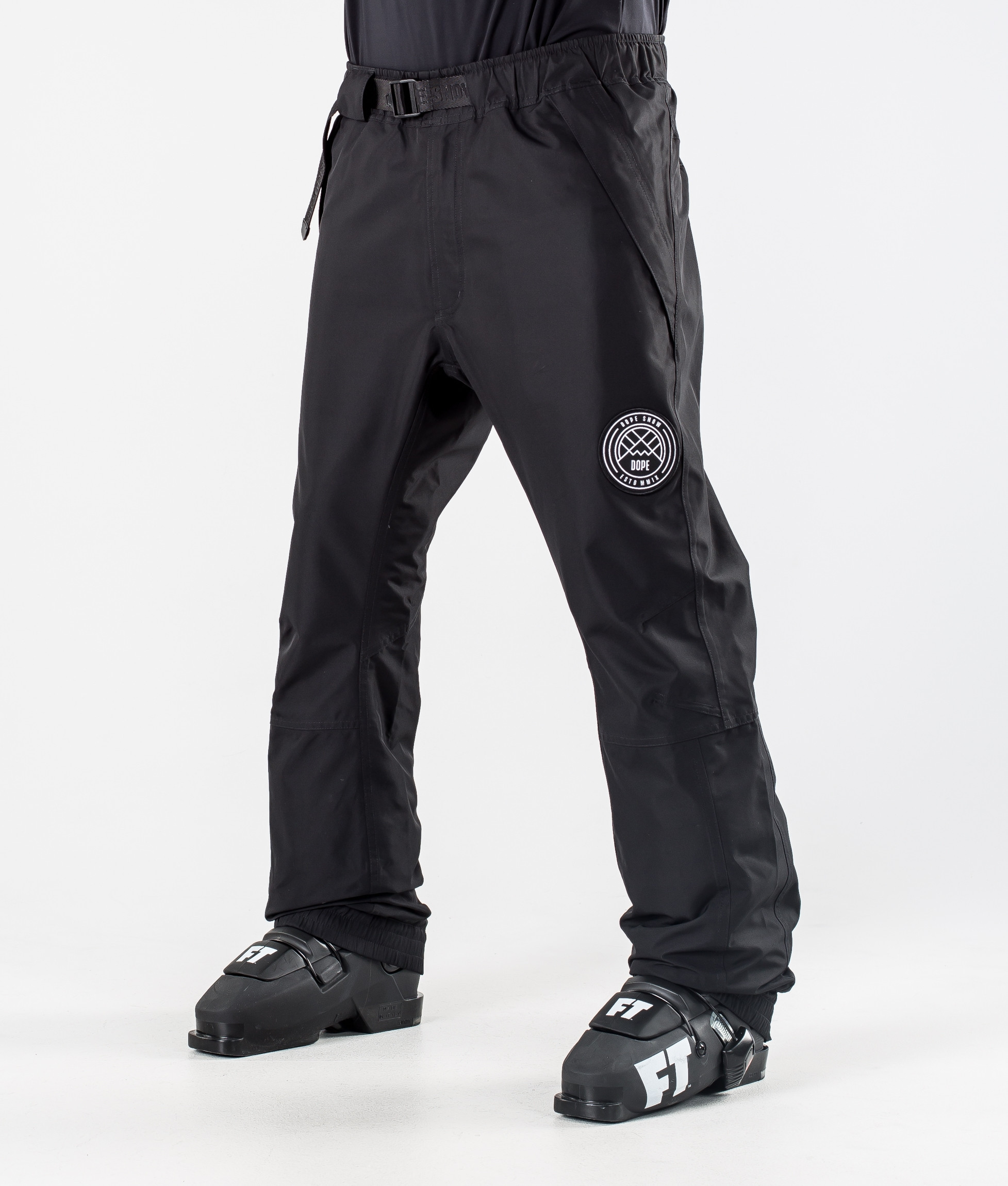
Boulder Gear Kid’s Winter Pants
These kid's snow pants can be a great choice for people on a tight budget. They come with a waterproof rating of 10,000 DWR and 60 grams Thinsulate insulation, which will keep your kids warm.
These are some of our favorite kids snow pants and we hope you can find the perfect one for your child.
FAQ
What should I do if I want to buy travel insurance
Travel insurance is vital if you're planning to travel. It is important to have insurance that covers all types of adventure sports.
You should make sure you have insurance if you ski. You should also consider getting coverage for theft, damage, and loss.
Consider purchasing cancellation coverage. This allows you to cancel your holiday without having to pay any penalties.
In addition, you should ask for cover for emergency evacuation. You can also be taken off the mountain in the event of an avalanche, or another natural disaster.
What can I pack in my suitcase?
Always have at least two pairs. Two pairs should be sufficient for everyday walking and one for trips to the beach.
A good idea is to make sure that you have enough clothes in both cases. For plane travel, make sure to bring extra socks, underwear, shirt, and pants.
It's a good idea to bring along some clothes for longer stays. This will ensure that you don't feel awkward while shopping for new outfits.
Comfortable shoes should be worn if you are taking the bus or train. And if you're driving, you'll need to ensure you've got a spare set of tires.
You will also need to carry plenty of toiletries such shampoo, toothpaste (deodorant), moisturizer, and shampoo.
Finally, don't forget a flashlight, insect repellents, sunscreen, sunglasses, a hat and a first-aid kit.
You can put all of these items into one bag, rather than trying to stuff them in several bags. This will save you time and space.
Don't forget to bring a towel and a washcloth. These will come in handy after a long day sightseeing.
Where should I store my luggage
There are many options. You can use lockers at airports as the most common option. These are normally located near the security area. You can get one for $5-10 per Day, depending on how big the locker is.
Another option is to rent a storage unit. These are often found outside large hotels or shopping centers. There are discounts available for multiple units, although prices can vary.
You can also hire a porter. You can hire a porter to help you carry your bags from the carousel to the room. A small fee is charged each time the porter helps you.
What size luggage should I carry?
The length of your trip determines how much luggage you should take. If you are traveling by plane, you only need hand baggage, usually less than 20kg. If you are traveling by plane, you only need hand baggage, usually less than 20kg.
An airport form with information regarding your flight will be handed to you upon arrival. This form will contain information about your flight, such as the weight and assistance required when you check them in.
Before you leave for work, make sure to check it. You could end up spending hours waiting for your luggage to be checked while others check theirs.
Traveling light is the best option, because you never really know what could happen. For instance, if your bag is lost or stolen, you won’t have any clothes.
Statistics
- Pack sweaters, jackets, and underwear in reusable compression bags creating up to 75% more space in your luggage. (wikihow.com)
- Alcoholic beverages with more than 24% but not more than 70% alcohol are limited in checked bags to 5 liters (1.3 gallons) per passenger and must be in unopened retail packaging. (tsa.gov)
- That's an 18% jump from 2019, the previous record year. (travelandleisure.com)
- According to Maori legends, this park holds 14 fjords that were all carved by a giant stonemason with an adze. (busytourist.com)
- Between the ages of 11 and 13, kids, or tweens, will likely want some autonomy but also need boundaries. (travelandleisure.com)
External Links
How To
What are your top travel tips?
Although traveling can be an exciting experience, there are many things you need to avoid to ensure a safe trip.
Here are some basic tips to help you plan your next vacation.
-
Get your bookings in early. The earlier you book, the lower the prices. You'll also save money by avoiding last-minute deals offered by hotels and airlines.
-
Stay-at-budget accommodations. Hotels at a lower price offer more value. They are usually close to public transport and shopping centers.
-
Don't overpack. Don't overpack. Allow for souvenirs, gifts, and luggage. Take clothes that fit well.
-
Use common sense. If you're traveling alone, don't walk around late at night. Avoid sketchy neighborhoods and areas where crime is high.
-
Take precautions against theft. Keep valuables hidden from view. Swimming is a great way to keep valuables safe.
-
Take care with your cash. Thieves often target tourists in foreign cities. Keep your money out of view and use ATMs inside banks or guarded facilities.
-
You should know where you are. Make sure you are familiar with public transportation before booking a hotel. Discover information about tourist attractions and restaurants.
-
Learn about safety. Before you go, find out about the local laws, customs and culture.
-
Have fun. Have fun, regardless of what happens. It's worth it.